
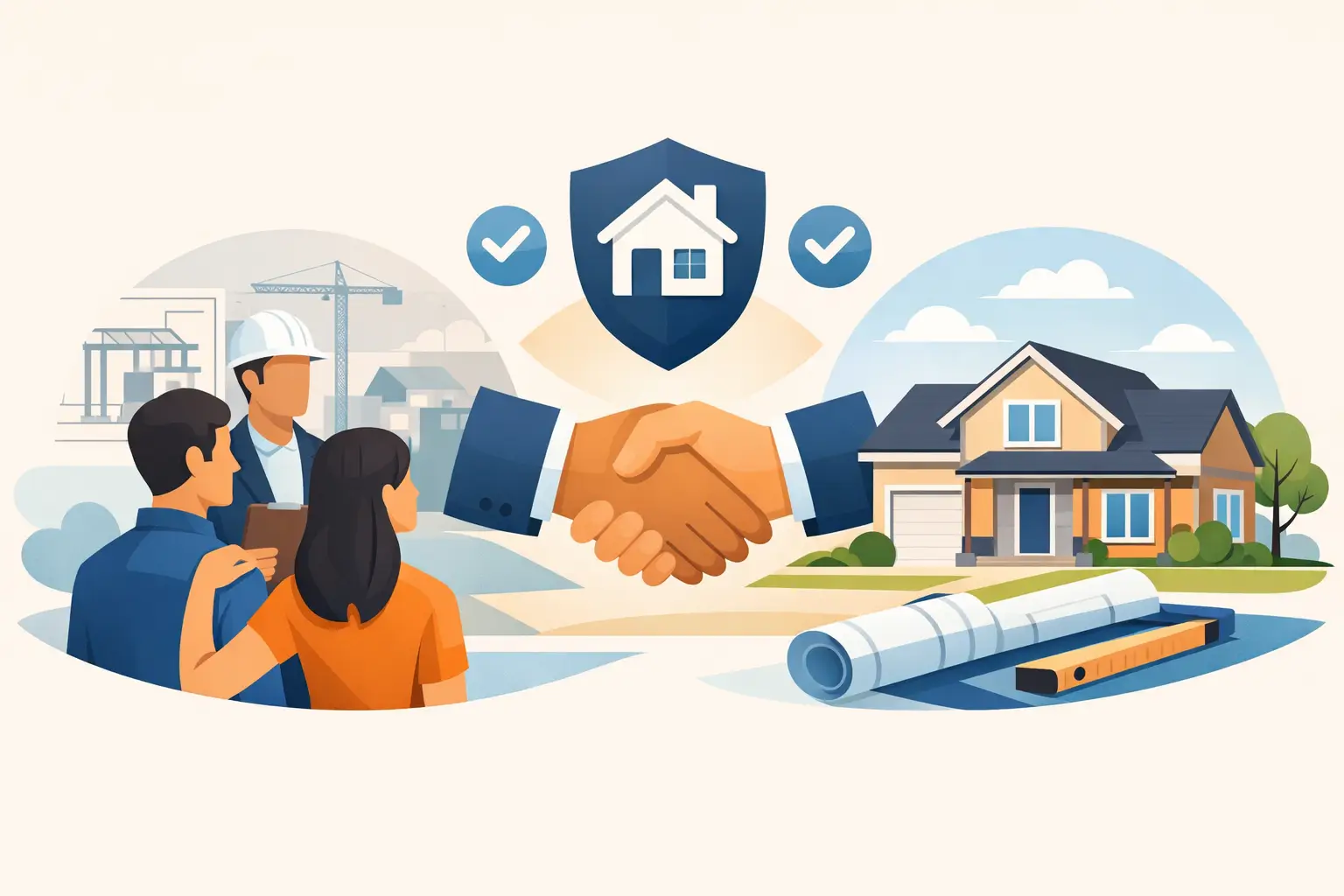
A home building project can look straightforward from the street: plans, permits, lumber, walls, finishes. For the homeowner, it is far more personal. You are making decisions about where your family will gather, how your home will function, and how well it will serve you years from now. Learning how to choose a home builder means looking beyond attractive project photos and a low initial number.
The right builder brings structure to a complex process. They listen to what is not working in your current home, explain what is possible, manage the moving parts, and build with care for both the property and the people living in it. In the Bay Area, where existing homes, hillside conditions, local regulations, and high construction costs can all shape a project, that relationship matters even more.
Start With the Kind of Project You Actually Have
Not every qualified contractor is the right fit for every job. Before you begin comparing companies, define the work at a practical level. Are you building a new home, adding a primary suite, opening a kitchen to improve daily flow, remodeling an aging bathroom, or reworking the entire house? Your answer should guide the experience you look for.
A builder who mainly handles small cosmetic updates may not have the systems, trade relationships, or preconstruction experience needed for a whole-home remodel or ground-up build. On the other hand, a large new-construction builder may not be the best choice for a focused project that requires careful work around an occupied home.
Write down your priorities before the first meeting. Include the spaces you want to change, the problems you want to solve, your desired timeline, and a realistic investment range. Also identify the values that matter to you. For some homeowners, that means preserving the character of an older home. For others, it means better natural light, lower energy use, durable materials, or space that can adapt as the family changes.
How to Choose a Home Builder: Look Past the Portfolio
Project photos are useful, but they tell only one part of the story. A polished kitchen does not show how clearly the budget was managed, whether the job stayed organized, or how the builder handled an unexpected condition behind a wall.
Ask to see work that is comparable in scale and style to your project. If you are planning an addition in Orinda or a substantial Oakland Hills renovation, look for evidence that the builder understands the demands of substantial residential construction, not only finish selections. Review finished spaces with a practical eye. Do transitions between old and new areas feel intentional? Are details consistent? Does the layout appear to support the way people really live?
Then ask about the process behind those results. A good builder should be comfortable explaining how they approach estimating, scheduling, permits, subcontractor coordination, site protection, change orders, and final walkthroughs. Plainspoken answers are usually a good sign. You should not need construction expertise to understand how your project will be managed.
References are equally valuable. Speak with recent clients when possible, especially homeowners whose projects had a similar scope. Rather than asking only whether they liked the final result, ask what it was like during construction. Did the builder communicate regularly? Were decisions documented? How were problems handled? Did the final cost align with the agreed scope and approved changes?
Verify Credentials and Local Readiness
A home builder should have the appropriate California contractor license for the work they perform, active insurance, and a clear business presence. Verify these details independently rather than treating a logo or a proposal as proof. Licensing and insurance do not guarantee excellent craftsmanship, but they are fundamental protections for a homeowner.
It is also wise to ask how the company works with designers, architects, engineers, and local jurisdictions. Many Bay Area projects involve permit review, zoning limits, structural requirements, energy standards, and site-specific issues. A builder who recognizes these realities early can help prevent avoidable surprises later.
This does not mean every detail must be settled before you hire someone. Early design and feasibility work often reveals the best path forward. It does mean your builder should be honest about what is known, what still needs investigation, and which decisions could affect cost or timing.
Compare Proposals by Scope, Not Just Price
The lowest bid can be tempting, especially when construction costs are significant. But a number is meaningful only when you understand what it includes. Two proposals for the same remodel can be far apart because one accounts for permits, demolition, structural work, project management, site protection, material allowances, and cleanup while the other leaves some of those items unclear.
Ask each builder to explain the scope in writing. You should be able to see what work is included, what materials or allowances are assumed, what is excluded, and what could trigger an additional cost. Allowances deserve special attention. They are placeholders for selections such as tile, plumbing fixtures, appliances, or lighting. If the allowance is far below the level of finish you expect, the initial proposal may not reflect your real project cost.
A detailed proposal is not a promise that nothing will change. Older homes can conceal dry rot, outdated wiring, foundation issues, or plumbing problems that are only discovered after work begins. What matters is how the builder identifies risk before construction and handles unforeseen conditions once they are found. Look for a clear change-order process that requires discussion and approval before additional work moves forward whenever possible.
Pay Close Attention to Communication
Construction is physical work, but successful projects depend heavily on communication. Notice what the builder is like before you sign an agreement. Do they return calls and emails within a reasonable time? Do they answer your questions directly? Do they explain options without pressuring you? Are they willing to say when something needs more research?
You do not need daily updates on every minor task, but you do need a predictable communication rhythm. Ask who your main point of contact will be, how often you will receive updates, and how decisions will be tracked. For a larger remodel or new home, you should also understand who will be on site, who manages subcontractors, and how the schedule will be reviewed.
Trust is not the same as never asking questions. A strong builder welcomes informed questions because clear expectations protect everyone. If you leave early meetings feeling rushed, confused, or hesitant to raise concerns, take that feeling seriously. The construction phase will place more demands on the relationship, not fewer.
Ask How Quality Is Protected on Site
Craftsmanship is visible in the finished product, but quality control begins long before the final coat of paint. Ask how the builder plans work, supervises trades, checks installation details, and addresses issues found during inspections or walkthroughs.
For homeowners remaining in the house during a remodel, site management is part of quality as well. Dust control, safe access, temporary protection, cleanup, and respect for your daily routine make a real difference. A builder should be able to describe how they protect occupied areas and what disruption you should realistically expect.
It also helps to discuss the warranty and closeout process. Find out how punch-list items are handled, when final documentation is provided, and who to contact if a concern appears after completion. A builder who stands behind their work has a process for these conversations.
Include Sustainability in the Early Conversation
Responsible construction is not limited to adding a solar system or choosing one eco-friendly product. It can begin with decisions about layout, insulation, windows, efficient mechanical systems, material durability, water use, and whether an existing structure can be thoughtfully improved instead of unnecessarily replaced.
The best choices depend on the home and your goals. High-performance windows may be valuable in one project, while air sealing, insulation, efficient lighting, or water-saving fixtures may offer a better return in another. Reused or low-impact materials can be a meaningful choice, but they need to fit the project budget, maintenance expectations, and design vision.
Ask prospective builders how they approach waste, energy performance, material selection, and long-term durability. Their answer should be practical rather than performative. Sustainable choices work best when they support comfort, resilience, and responsible use of resources for the life of the home.
Make the Decision With Your Future Home in Mind
Before choosing, take one final look at each candidate through the lens of the full project, not the sales meeting. Consider their relevant experience, clarity of scope, communication style, references, quality standards, and willingness to build around your priorities. A builder may not promise every outcome with certainty, particularly when working on an older property, but they should give you a grounded plan for moving forward.
Your home deserves more than a contractor who can complete a task. Choose a builder who sees the work as an opportunity to make your everyday life more functional, comfortable, and lasting – while treating your investment, your neighborhood, and the environment with care.