
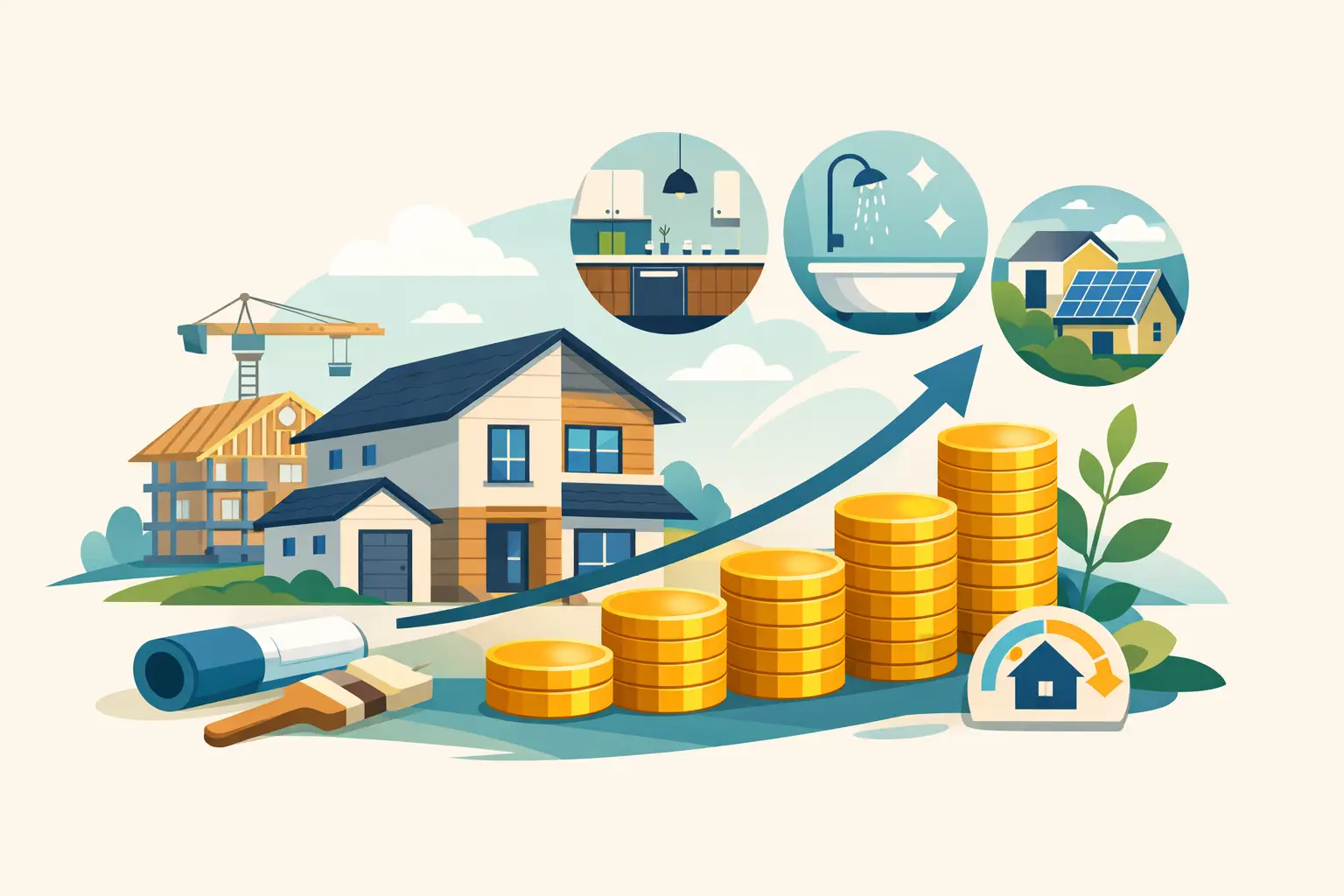
A new home gives you one rare advantage: the chance to make decisions before walls are closed, finishes are installed, and changing course becomes expensive. The best new home construction upgrades are not always the most visible ones. They are the choices that make the house more comfortable, efficient, durable, and easier to live in for years.
For Bay Area homeowners, a smart upgrade plan should also account for our varied microclimates, high utility costs, hillside conditions, and the value of flexible space. The goal is not to add every available option. It is to invest early in the features that are difficult to add later and meaningful every day.
Start With the Upgrades Behind the Walls
A beautiful kitchen or bathroom can be updated in the future. Insulation, electrical capacity, plumbing access, and framing decisions are far more disruptive to revisit once the home is complete. Prioritizing the hidden work is one of the clearest ways to protect your investment.
Build a stronger thermal envelope
High-quality insulation, careful air sealing, and properly selected windows work together to stabilize indoor temperatures. That means fewer cold rooms in winter, less heat entering during hot afternoons, and lower demand on heating and cooling equipment.
This is especially valuable in Northern California, where a home may need heat in the morning and cooling later the same day. Better-performing windows can also reduce street noise and improve comfort near busy areas. The right choice depends on the home’s orientation, glazing area, and local climate, so it should be planned as a complete system rather than selected as an isolated finish.
Choose an all-electric-ready home
Electric heat pumps for space heating, water heating, and cooling can be an efficient, lower-emission alternative to conventional gas equipment. Induction cooking offers fast response and a cleaner indoor cooking environment, while a heat pump water heater can significantly reduce water-heating energy use.
Even if you are not ready to install every electric appliance on day one, prepare for it during construction. This may mean providing the right electrical circuits, panel capacity, and equipment locations. Planning ahead costs far less than opening finished walls later to add wiring.
Upgrade the electrical panel and add future capacity
Modern homes use more electricity than homes built even 10 years ago. Electric vehicles, heat pumps, induction ranges, home offices, battery systems, and outdoor living features all add demand. A larger panel, available breaker space, and conduit runs for future wiring create flexibility without forcing you to buy every future technology now.
If an EV charger is likely, install the circuit or at least the conduit during construction. The same approach applies to solar and battery storage. A home does not have to include every system immediately to be thoughtfully prepared for it.
The Best New Home Construction Upgrades for Daily Living
Once the core systems are addressed, focus on the details that reduce friction in ordinary routines. These upgrades often feel modest during design meetings, but they become the parts of the home homeowners appreciate most.
Improve the layout before increasing square footage
More square footage is not always the answer. A well-planned mudroom, pantry, laundry area, or storage wall can make a home work much better without substantially increasing its footprint. Consider where shoes, bags, recycling, cleaning supplies, pet items, and seasonal gear will go before construction begins.
In a kitchen, a walk-in pantry may be valuable for one household, while another would benefit more from deep drawers, a larger island, or direct access to an outdoor dining space. The best layout follows how your household actually moves through the day, not just what looks good in a plan.
Add storage where it is needed, not where it is convenient
Built-in storage should solve real problems. A shallow linen cabinet near bathrooms, dedicated storage at the entry, and full-height kitchen cabinets can prevent clutter from taking over finished rooms. In bedrooms, thoughtful closet layouts may provide more daily value than making the bedroom itself larger.
Ask practical questions early. Where will vacuum equipment live? Is there room for a hamper near laundry? Can guests put away coats without entering private areas? These decisions make a home feel organized from the start.
Plan lighting in layers
A single ceiling fixture rarely creates the right light for every task. A good lighting plan combines general lighting, task lighting, and accent lighting. Recessed lights can provide broad illumination, but under-cabinet kitchen lighting, vanity lighting at the face, reading lights, and dimmers make spaces more comfortable and useful.
Natural light deserves equal attention. Window placement, overhangs, shades, and room orientation can reduce glare while bringing in daylight. In sunny exposures, exterior shading may be more effective than relying only on interior window treatments.
Make Bathrooms and Kitchens Work Harder
Kitchens and bathrooms are high-use spaces, so their best upgrades balance appearance with durability and maintenance. A finish that looks impressive but stains easily or requires special care can become a daily frustration.
In kitchens, invest in durable cabinet construction, practical drawer storage, quality ventilation, and enough counter space for the way you cook. A quiet, properly sized range hood matters more than many homeowners expect, particularly in an open layout. If you choose a statement material, use it in a place where it will remain enjoyable instead of difficult to maintain.
In bathrooms, consider curbless or low-threshold showers, blocking in walls for future grab bars, efficient ventilation, and easy-to-clean surfaces. These choices can support aging in place without making the room feel clinical. Heated floors can be a worthwhile comfort upgrade in a primary bath, but they should not come at the expense of waterproofing, drainage, and good ventilation.
Spend Carefully on Exterior and Resilience Upgrades
Exterior choices affect maintenance, energy performance, and the home’s ability to handle changing conditions. Roofing, siding, drainage, and landscaping are not simply cosmetic decisions.
A durable roof assembly, gutters designed to move water away from the foundation, and proper site drainage can help prevent costly moisture problems. On hillside lots or properties with complex grading, drainage planning should be treated as a core construction need, not an afterthought.
For fire-conscious areas, material selection and defensible-space planning may also be important. This can include fire-resistant exterior materials, ember-resistant vents, and landscaping choices that reduce fuel close to the house. Local requirements, property conditions, and insurance considerations should guide these decisions.
Solar panels and battery storage can be strong long-term additions, but their value depends on roof orientation, energy use, budget, and backup-power goals. If a full system is not part of the initial build, preparing the roof and electrical infrastructure can preserve the option.
Where It Makes Sense to Save
Not every upgrade needs to happen during construction. Decorative light fixtures, some appliances, cabinet hardware, mirrors, and certain landscape features can often be changed later with less disruption. This is where a homeowner can protect the budget without compromising the building itself.
It may also make sense to avoid highly specialized features unless you know they fit your lifestyle. A large wine room, elaborate smart-home system, or unusually customized built-in can be a great choice for the right household, but it should not crowd out upgrades that improve comfort, efficiency, and durability.
The strongest construction budgets are built around priorities, not pressure to select every premium option. Put money into the home’s structure, systems, and layout first. Then choose finishes that feel personal, durable, and appropriate for the way you want to live.
A well-built home should do more than look finished on move-in day. It should support quieter mornings, healthier indoor air, lower energy use, easier routines, and the freedom to adapt as your household changes. That is the kind of upgrade plan that continues to give back long after construction is complete.
One response to “Best New Home Construction Upgrades That Pay Off”
[…] High-performing insulation, careful air sealing, efficient heating and cooling, quality windows, and properly planned ventilation can improve comfort in every season. These measures can also reduce energy use and help control long-term operating costs. The best approach depends on the home’s location, exposure, design, and budget, so the solution should be tailored rather than copied from another project. […]